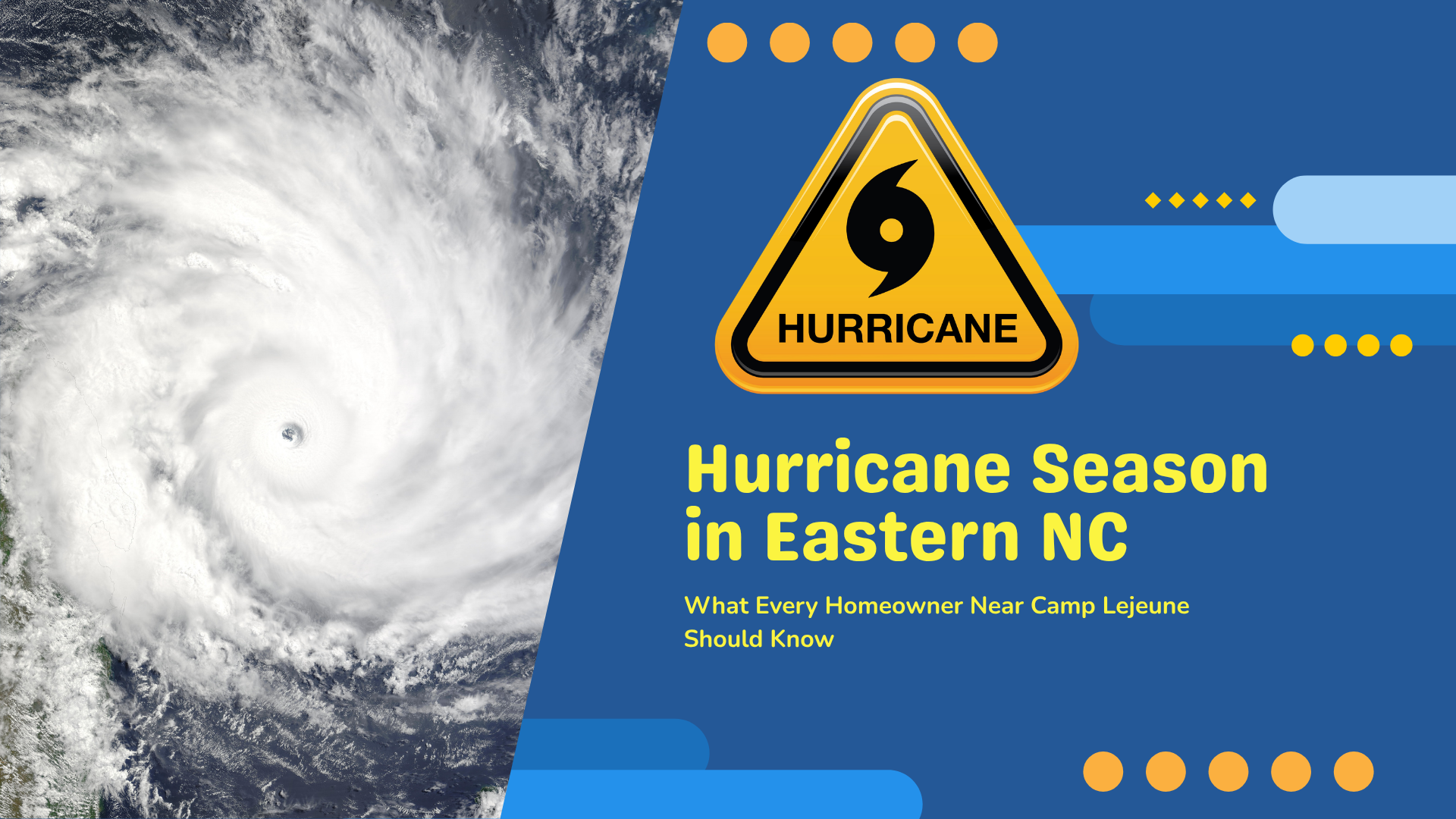
I've lived and worked in Onslow County long enough to remember what the sky looks like the day before a storm turns serious. I remember Hurricane Irene in 2011 and the flooding it created. While I was stationed at Camp Pendleton, I watched Hurricane Florence rearrange entire neighborhoods while areas like Swansboro and Cape Carteret were completely under water. I've talked to military families who moved here on PCS orders in the spring and had their first Eastern NC hurricane experience by September — completely unprepared for what that means in this part of the state.
If you own a home near Jacksonville, Sneads Ferry, Holly Ridge, or anywhere in Onslow, Pender, or Carteret County, this guide is for you. Hurricane preparedness here isn't optional — it's part of homeownership. And if you're buying a home in this area, there are questions you should be asking before you close that most buyers never think to raise.

When Is Hurricane Season in Eastern NC — and How Serious Is the Threat?
The Atlantic hurricane season runs June 1 through November 30, but most hurricanes strike the East and Gulf Coasts between mid-August and mid-October. Here in Eastern NC, that peak window is something locals plan around. Onslow County
This is not a region with a casual relationship with storms. Onslow County has been hit by major storms across multiple decades — Bertha and Fran in the 1990s, Floyd in 1999, and Florence in 2018. Floyd brought catastrophic flooding. Florence, though it made landfall as a Category 1, was a water-driven event that caused historic damage throughout the region.
Meteorologists have been clear on this point: the category of a storm should not determine how seriously you prepare. Roughly 85% of hurricane-related deaths are caused by water — not wind. A Category 1 storm can be more destructive than a Category 3 if it stalls and dumps rainfall over an area for days.
That's the Eastern NC reality. We don't always get the 150 mph winds. We often get the rain, the flooding, and the aftermath — which can be just as devastating.
The Insurance Gap That Catches Eastern NC Homeowners Off Guard
This is probably the most important section of this post, so I want to be direct about it.
Standard homeowners insurance policies in North Carolina do not include flood coverage. Flood insurance must be purchased separately — typically through FEMA's National Flood Insurance Program. Almost all homes in Onslow County also need a separate windstorm policy through the NC Insurance Underwriting Association, which applies to the state's designated beach territory and comes with its own hurricane deductible.
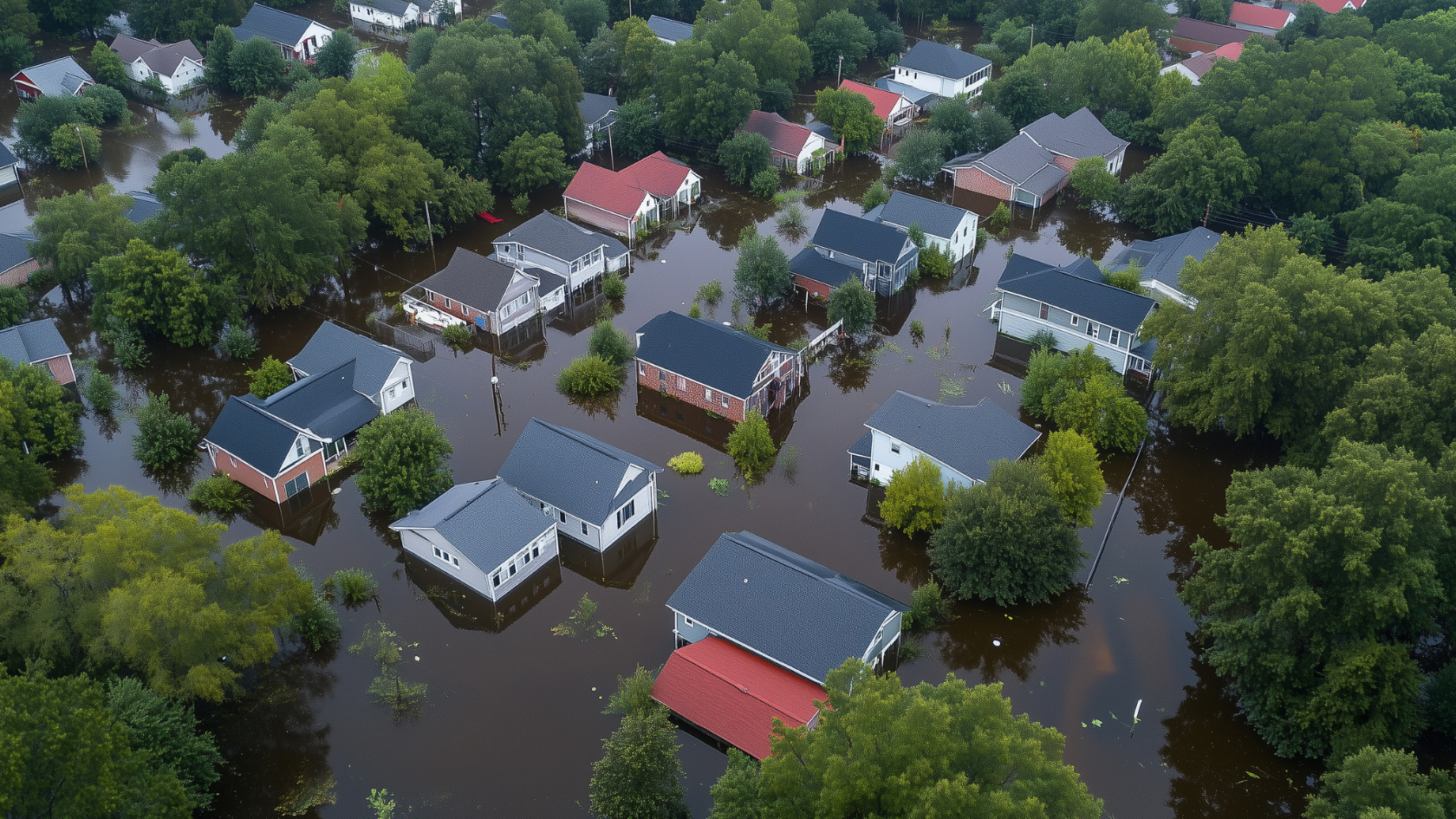
What that means in plain language: you could have homeowners insurance, feel fully covered, and then watch a storm flood your home — only to find out your policy covers none of it.
Flood insurance data in NC reveals something striking: 50% of flood claims are actually paid to homeowners outside of designated flood zones. Read that again. You don't have to be on the water to flood. Florence proved that in dozens of neighborhoods that had never seen water in their living rooms before.
There is an important timing note here: flood insurance requires a 30-day waiting period before it takes effect. You cannot buy a policy when a storm is in the forecast cone and expect to be covered. This needs to happen now, before you need it. National Weather Service
My strong recommendation: pull out your homeowners policy and read it. Then call your insurance agent and ask specifically about flood coverage and windstorm coverage. Don't assume you have it because you have a policy.
Know Your Zone: Onslow County's Evacuation System Explained
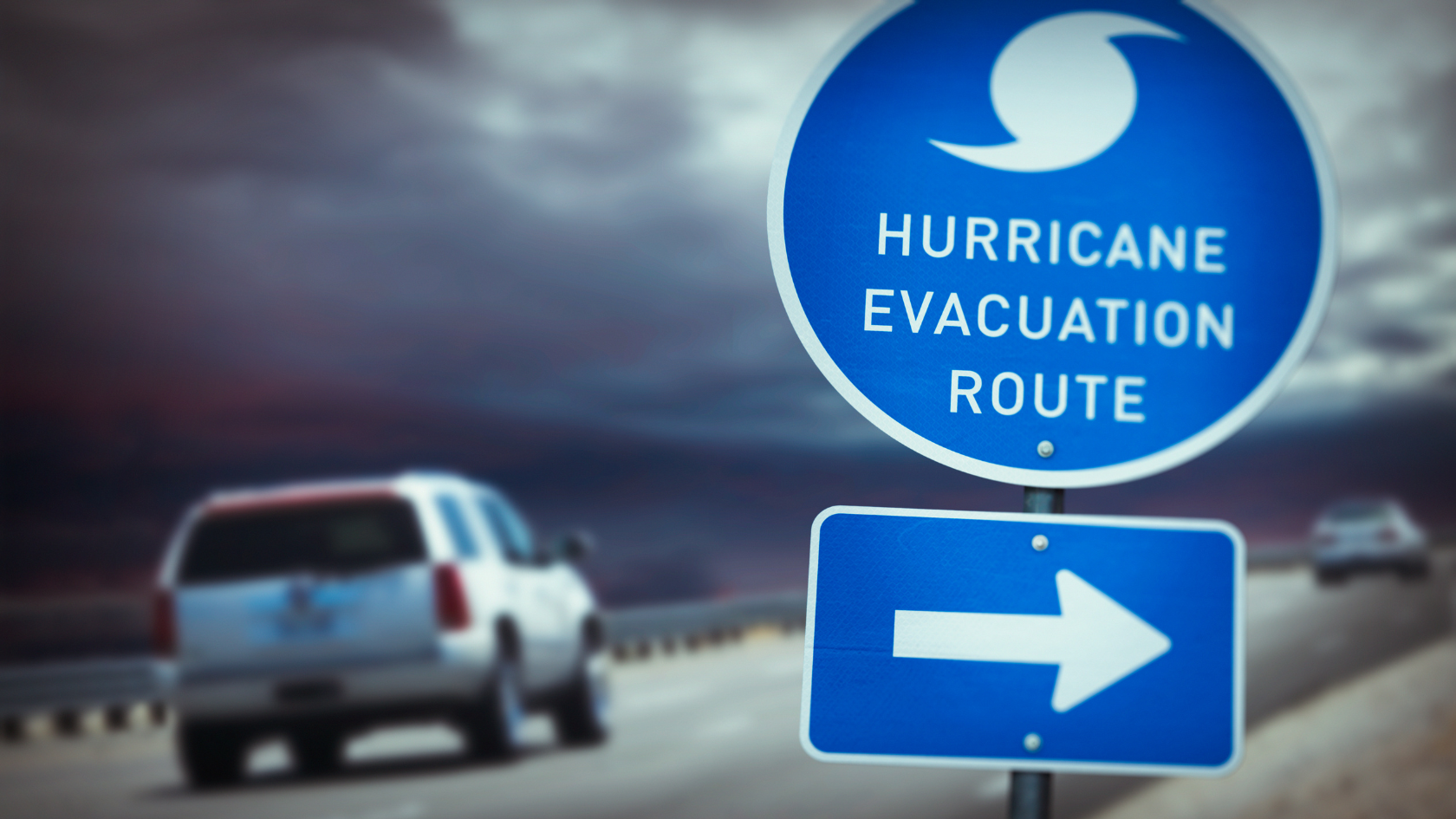
North Carolina's Know Your Zone system is a tiered evacuation framework covering 21 coastal counties, including Onslow County. It divides areas into lettered zones — A through E — based on storm surge risk, elevation, and proximity to water. Zone A areas evacuate first, with additional zones called as needed depending on the storm's projected path and intensity. NC DPS
One of the most common mistakes people make is waiting until a storm is already in the forecast cone before looking up their zone. By then, time is limited and stress is high. The smarter move is to find your zone now, before any storm is on the radar, so you already know whether your address triggers an early evacuation order.
You can look up your address at this link — it takes less than two minutes and could make all the difference.
Onslow County is included in the state's tiered evacuation system, with zones designed to protect residents most at risk to storm surge and flooding. Knowing your zone and your evacuation route in advance can ultimately save your family's life.
If you're a military family and there's a chance you could receive evacuation orders while a service member is deployed or in the field, this planning matters even more. The family at home needs to know the plan without having to figure it out in a crisis.
Your Home Prep Checklist Before a Storm Hits
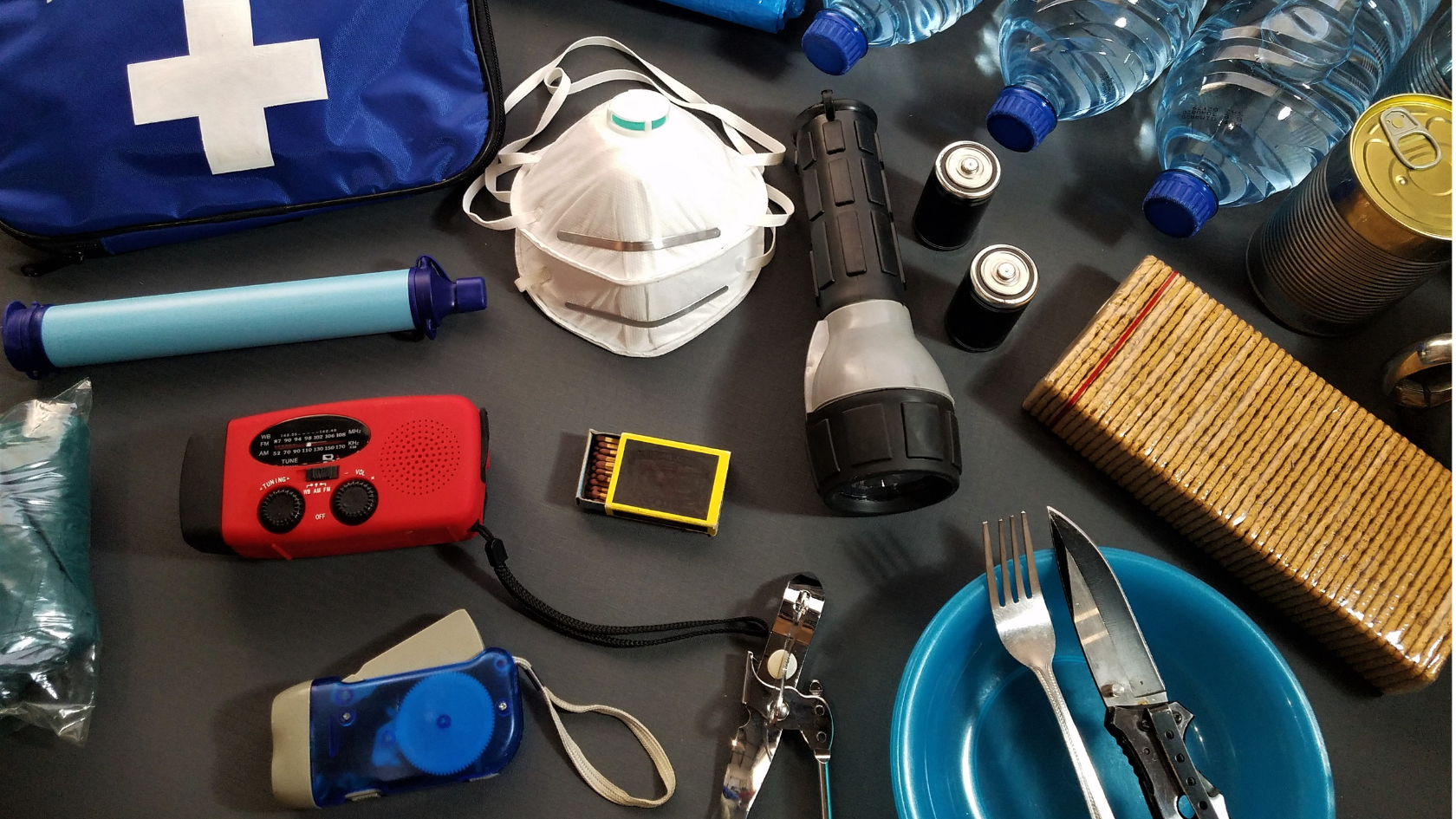
Physical preparation of your home is where most people actually focus — and there's good reason for it. Here's what I run through before a major storm:
Before hurricane season begins (June):
- Review and update your insurance policies — homeowners, flood, and windstorm if applicable
- Trim trees and large branches near the roofline
- Clean gutters and downspouts
- Inspect your roof for loose shingles or aging materials
- Know your evacuation zone and have two routes mapped out
- Document the interior and exterior of your home with photos or video
When a storm is within 72 hours:
- Fill your vehicles with fuel and withdraw cash — gas stations and ATMs may be closed for days after a storm
- Secure or bring in all outdoor furniture, décor, and loose items — anything that can become a projectile in high winds
- Secure doors and windows; add shutters or plywood if you have them Nc
- Photograph your possessions and create digital backups of important documents — insurance policies, deeds, identification
- Prepare a go-bag: medications (at least a two-week supply), important documents, cash, phone chargers, water, and food
- If officials order an evacuation for your zone, leave early — before roads flood
After the storm:
- Do not return home until officials say it's safe
- Document all damage with photos before touching anything
- Contact your insurance company immediately
- Watch for scam contractors — they show up fast after storms in Eastern NC
What Buyers Should Ask Before Purchasing a Home in Eastern NC
If you're still in the buying process, hurricane risk is something you should factor into your decision — not ignore. Here's what I walk every client through:
- Is the property in a FEMA flood zone?
FEMA flood maps are publicly available at msc.fema.gov. If the home is in a high-risk zone (Zone AE or VE), lenders will require flood insurance — and it can be costly. Even homes outside flood zones face risk, so it's worth getting a flood insurance quote regardless of zone designation. - What are the actual insurance costs?
For coastal homeowners in counties like Onslow and Pender, complete hurricane protection can cost $2,000 to $6,000 per year when combining homeowners, flood, and NCIUA windstorm coverage. That's a real number that affects your monthly payment and should be factored into your budget before you make an offer. - Does the home have a Fortified Roof designation?
In Pender and Onslow Counties, a home with a Fortified Roof designation can see insurance premiums drop by 20–30%. If you're looking at a home that needs a new roof, this is worth asking about — it can meaningfully reduce your long-term insurance costs. - What is the home's elevation?
Homes built at higher elevations generally carry lower flood insurance premiums. Ask your agent about the elevation certificate for any property near water or in a low-lying area.
A Note to Military Families Relocating to Onslow County
If you're PCSing to Camp Lejeune and purchasing a home here, the hurricane question may not be front of mind — especially if you're coming from the Midwest, Pacific Northwest, or overseas. But Eastern NC sits in one of the most hurricane-exposed stretches of the East Coast, and the risk is real.
The good news: this is manageable. People live here and own homes here because this is a great area to plant roots. You just need to go in with eyes open, get the right insurance in place before storm season, and have a clear family plan if a storm approaches while your service member is away.
Our team works with military buyers every week. We know this market, we know the neighborhoods, and we'll make sure you're not walking into a purchase without understanding exactly what comes with it — including what storm season looks like where you're buying.
Frequently Asked Questions About Hurricane Season in Eastern NC
Does homeowners insurance cover hurricane damage in NC?
Standard homeowners insurance in North Carolina typically covers wind damage but does not cover flooding. Flood coverage requires a separate policy through the National Flood Insurance Program or a private insurer. Certain coastal properties in Onslow County may also need a separate windstorm policy through the NC Insurance Underwriting Association. Review your policy now — don't wait until a storm is in the forecast.
What is the Know Your Zone system, and does it apply to Jacksonville?
Know Your Zone is NC's tiered coastal evacuation system. Yes, Onslow County — including Jacksonville and surrounding communities — is part of this system. Zones are labeled A through E based on storm surge and flood risk, with Zone A evacuating first. Look up your address at knowyourzone.nc.gov to find your zone before storm season gets active.
When is peak hurricane season in Eastern NC?
The most active months for tropical systems in North Carolina are August, September, and October, with peak tropical activity typically falling in a six-week window from mid-August to late September. However, storms have impacted the state as early as May and as late as November. Prepare before the season starts, not when a storm is already forming.
Should I buy flood insurance if I'm not in a designated flood zone?
Yes. I recommend to my clients to at least call and get quotes, regardless of whether the home is in a flood zone. Half of all flood insurance claims in NC are paid to homeowners outside of designated flood zones. Florence flooded neighborhoods that had no prior flood history. And because flood insurance has a 30-day waiting period, you cannot buy it once a storm is in the forecast. Get it now.
What happened to Onslow County during Hurricane Florence?
Florence made landfall as a primarily water-driven event with damaging winds. While it didn't bring the highest wind speeds the county has seen — that distinction belongs to Hazel in 1954 and Fran in 1996 — Florence's rainfall and very strong storm surge caused widespread flooding throughout Onslow County, displacing families and leaving many homes vacant for months.
Ready to Buy or Sell in Eastern NC? Let's Talk.
Hurricane season is one of many things I help buyers and sellers navigate in this market. If you're relocating to the Jacksonville area and want an honest conversation about neighborhoods, flood risk, insurance considerations, and what it's really like to live and own a home here — I'm the guy to call.
I'm Sam Lynch, a retired Marine and full-time real estate professional serving Onslow, Pender, Carteret, and Craven Counties. I've been through the storms. I know this area. And I'll give you a straight answer on every question you have.
📞 Text me: 910-941-8541
🌐 Schedule a free buyer consultation
Check out this article next